
How to paint Formica cabinets starts with one question: is the laminate surface in good enough condition to coat? If the laminate is secure and the cabinet boxes, doors, and drawer fronts are sound, the project usually comes down to careful cleaning, surface preparation, a compatible bonding primer, and a cabinet coating system made for hard-use surfaces.
That is different from painting unfinished wood. Formica and other laminate surfaces are smooth and non-porous, so product compatibility and preparation matter more than using a single universal primer, sanding grit, paint type, or topcoat.
What Makes Formica Cabinets Different?
Formica is a brand often associated with decorative laminate surfaces. Laminate is made to be smooth, durable, and easy to clean, which also means coatings do not soak into it the way they can with unfinished wood.
The existing surface should be secure before refinishing starts. Peeling laminate, swollen substrate, broken edges, loose doors, or damaged joints may need repair before coating makes sense.
Cabinet Coating Kings currently lists laminate, wood, and MDF among the cabinet materials its team works with in the Greater Orlando area.
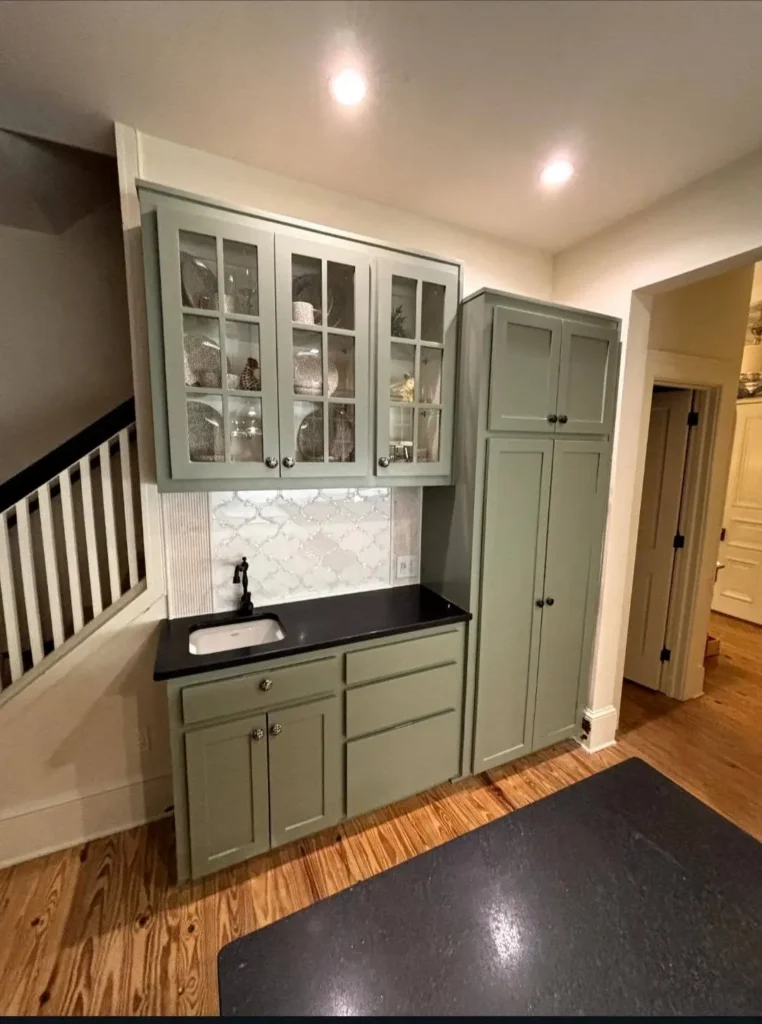
Step 1: Clean and Inspect the Cabinets
Kitchen cabinets collect cooking oils, fingerprints, dust, polish, and cleaner residue. Those contaminants can interfere with adhesion, so cleaning should happen before sanding or priming.
Do not mix household cleaners unless the product labels specifically allow it.
Step 2: Create the Surface Profile the Coating Needs
Laminate is slick, so many cabinet coating systems call for some form of scuffing, sanding, or deglossing before primer. The exact method should come from the primer and coating instructions.
Avoid treating one sanding grit as correct for every Formica cabinet. Aggressive sanding can damage a thin laminate surface, while too little preparation can leave a glossy surface that the primer cannot grip well.
After surface preparation, remove sanding dust and keep the cabinets clean before priming.
Step 3: Use a Primer Made for the Surface
The primer should be compatible with laminate and with the finish coating that will go over it. That may be a specialty bonding primer, but the correct choice depends on the coating system.
Regular drywall primer should not be assumed to work on a slick laminate surface. Check the primer label or technical data sheet for approved substrates, preparation instructions, dry time, and compatible topcoats.
Our article on cabinet paint without primer explains why the surface and coating system should guide the primer decision.
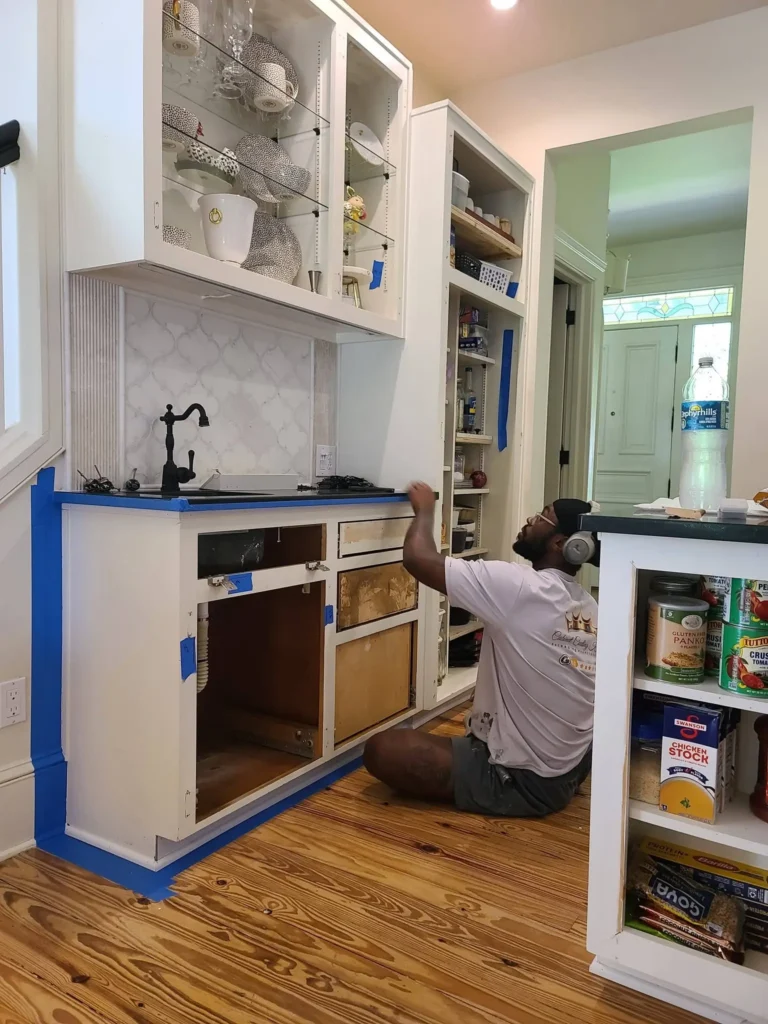
Step 4: Apply a Cabinet Coating System
Once the primer has reached the manufacturer's required recoat stage, apply the selected cabinet coating according to its instructions. Cabinet coatings are made for surfaces that are touched, opened, wiped, and cleaned often.
Thin, controlled coats usually make it easier to avoid runs, heavy edges, and uneven texture. Spraying, rolling, brushing, or a combination can all be appropriate depending on the product, the part being coated, and the finish goal.
Do not assume every Formica cabinet needs epoxy paint, polyurethane paint, or a separate clear coat. Some cabinet coating systems are designed to serve as the finished surface on their own. Others use multiple components. Follow the selected system rather than adding products that have not been tested together.
Mistakes That Cause Painted Laminate Cabinets to Fail
Most failures trace back to surface condition, product compatibility, or application timing rather than the cabinet colour itself.
If a previous cabinet project is still tacky or peeling, our guide to sticky cabinets after painting covers several common causes.
How Long Does Painting Formica Cabinets Take?
There is no single project length for every laminate kitchen. The schedule depends on cabinet count, repairs, preparation, primer, coating system, number of coats, application method, and the dry and recoat times listed for each product.
Cabinet Coating Kings currently states that cabinet refinishing projects can range from about one day to a week depending on the project. A laminate cabinet project should be scheduled around the actual coating system rather than a fixed weekend timeline.
Even after the doors and drawers are reinstalled, some coatings continue curing. Follow the coating manufacturer's guidance for cleaning, hard use, and placing bumpers or accessories back against the finish.
DIY Safety and Ventilation
Cabinet refinishing can involve cleaners, sanding dust, primers, coatings, and solvents. Read every label and safety data sheet before use, and use the personal protective equipment listed for the product.
The EPA recommends plenty of fresh air and ventilation during painting and remodeling when products may release volatile organic compounds. Keep children and pets away from the work area until the products and project setup allow normal use.
If the cabinet surface, existing coating, or product system is uncertain, stopping before sanding or coating is safer than guessing.
When Professional Cabinet Refinishing Makes Sense
DIY refinishing can work when the laminate is sound and you are comfortable following the full coating system. Professional help can make more sense when the kitchen has many doors, damaged laminate, mixed cabinet materials, detailed profiles, or a finish that needs a more controlled application.
Cabinet Coating Kings serves Avalon Park, Orlando, Winter Park, Winter Garden, Lake Nona, and other Greater Orlando communities. The company is locally owned and operated, licensed and insured, and offers free estimates.
Its current cabinet service information lists a two-year workmanship warranty and confirms that the team works with laminate, wood, and MDF cabinets. You can learn more about its cabinet painting and refinishing service before deciding which route fits your kitchen.
Frequently Asked Questions About Painting Formica Cabinets
Can Formica cabinets be painted?
Yes, when the laminate is secure and the preparation, primer, and cabinet coating are compatible with the surface. Damaged or lifting laminate should be assessed before coating.
Do Formica cabinets have to be sanded before painting?
Many coating systems require scuffing, sanding, or deglossing, but the exact method varies. Follow the primer and coating manufacturer's preparation instructions so the laminate is not over-sanded.
What primer should I use on Formica cabinets?
Use a primer that specifically lists laminate, slick surfaces, or the relevant cabinet substrate as an approved use and that is compatible with the finish coating.
Do painted Formica cabinets need a clear topcoat?
Not always. Some cabinet coatings are designed as the final finish, while other systems use a separate protective layer. Follow the selected product system rather than automatically adding a clear coat.
How soon can I use cabinets after painting?
Use, cleaning, and cure guidance varies by product. Follow the coating manufacturer's instructions for reassembly, normal handling, cleaning, and full service.
