
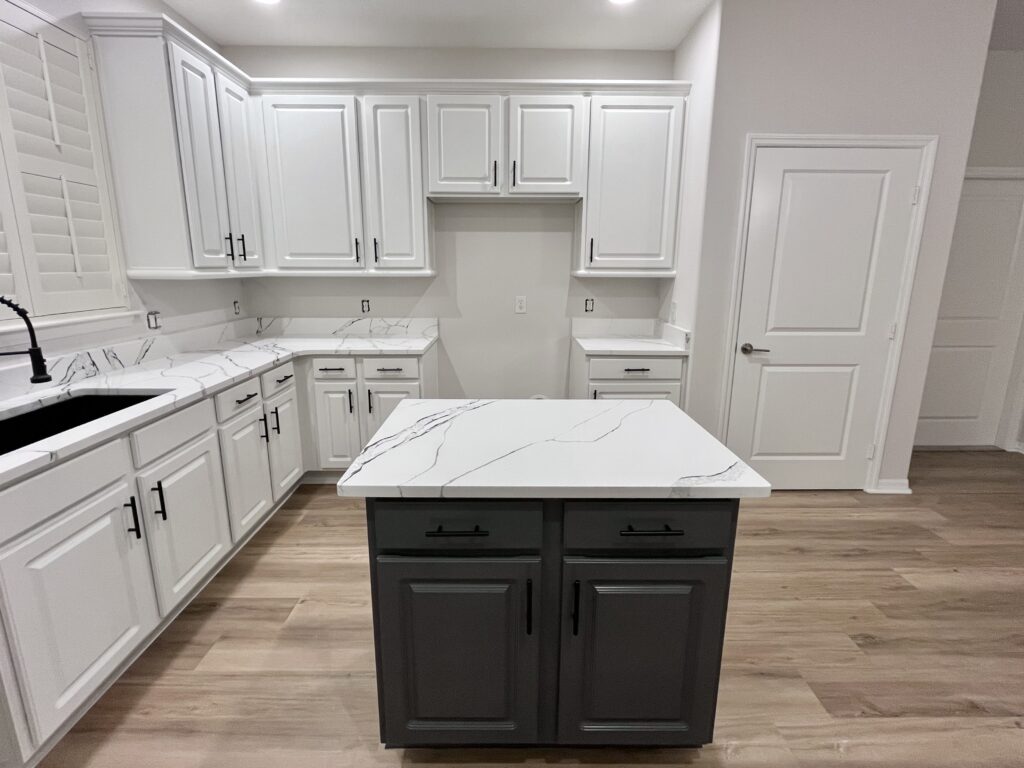
The bright white painted cabinets look amazing, but you find yourself wondering whether painted cabinets are actually durable enough to last. You are not alone in asking this question. It is one of the first things homeowners weigh when comparing a cabinet refresh against the cost of full replacement.
Here is the answer most homeowners do not get told upfront. Professional cabinet painting typically lasts 8 to 10 years. Rushed or amateur jobs often fail in 3 to 5. The gap is not luck. It is preparation, paint chemistry, and cure time.
This guide breaks down what drives that 5-year difference, the spots in your kitchen most likely to fail first, and the realistic timeline for a paint job that actually holds up to daily family life in Orlando.
Key Takeaways
- Professionally painted cabinets typically last 8 to 10 years with proper care and maintenance.
- High-quality finishes can hold up for 7 to 10 years under normal kitchen use.
- Surface preparation, paint quality, and professional application are the three biggest factors in longevity.
- Professional work typically lasts 7 to 10 years compared to 3 to 6 years for amateur applications.
- Kitchen usage patterns and Orlando’s humidity directly impact paint lifespan.
- High-traffic Orlando kitchens require premium paint systems for maximum durability.
The Reality of Painted Cabinet Durability
Let us start with the truth. Most professionally painted cabinet sets last 5 to 10 years with good prep and fair care. This is not wishful thinking. It is what happens when you do the job right. The key is understanding that durability is not just about the paint itself. It is about every step that comes before the first brush stroke touches your cabinets.
When people worry about painted cabinets lasting, they are often thinking about horror stories they have heard. Paint peeling off in sheets. Chips everywhere. Cabinets that look shabby after just a year. The most common cause of painted cabinets peeling is improper prep work before painting. If the surface was not cleaned, sanded, or primed correctly, the paint will not bond properly and will start peeling sooner than expected.
Here is what makes the difference. Proper preparation helps the paint adhere better and last longer, reducing the likelihood of future chipping or peeling. This means thorough cleaning, light sanding, quality primer, and cabinet-specific paint applied in thin, even coats. If your painter rushes any of these steps, you are paying for a 3-year job at a 10-year price.
What Affects How Long Your Painted Cabinets Last
Several factors determine whether your cabinets will look great for years or start showing wear within months. The good news is that most of these factors can be controlled if you know what to ask for.
Paint Quality Makes All the Difference
Budget paints may cost less initially, but often require repainting within 3 to 5 years. Premium cabinet-specific paints can last 10 to 15 years under normal conditions. The chemistry matters. Alkyd enamel gives a hard coat with a strong hold. Acrylic urethane gives a smooth coat with fast cure. Standard wall paint, no matter how expensive, is not built for the abuse cabinet doors take.
Your Kitchen’s Environment
Orlando’s humidity and heat create unique challenges for painted cabinets. Cabinets near the stove face heat, grease, and steam daily. Frequently opened doors and drawers experience more mechanical stress. Even factors like poor ventilation or direct sunlight through windows can affect how your paint ages.
How Much Do You Use Your Kitchen
A lightly used kitchen in a couple’s home will preserve paint far longer than a busy family kitchen with constant meal preparation. If you cook every day, entertain frequently, or have young children, your cabinets face more daily stress than someone who rarely uses their kitchen. The difference can be measured in years.
Professional vs. DIY Work
The gap in results is significant. Professional cabinet painting typically lasts longer than DIY due to superior prep and application techniques. Professionals have the right tools, controlled environments, and experience to handle tricky details that can make or break long-term durability. They also use sprayers that produce a factory smooth finish, which a brush and roller cannot match.
Problem Areas to Watch
Not all parts of your cabinets age the same way. Some zones fail faster with daily use. Sink base doors face water hits. Trash pull-out doors take stains. High-touch drawers face skin oil. Stove side heat zones take strong steam. These areas need more care and light touch-ups to extend the lifespan of your painted cabinets.
The most vulnerable spots are:
- Cabinet doors around handles and pulls.
- Lower cabinets near the dishwasher and sink.
- Areas directly adjacent to your range or cooktop.
- Corners where doors might get bumped or scraped.
If you notice early wear in any of these zones, address it before it spreads. A small touch-up is inexpensive. A full repaint because you ignored a quarter-sized chip for two years is not. If sticky finish becomes an issue early on, our guide on how to fix sticky cabinets after painting walks through the most common causes.
When Painted Cabinets Fail Early
When painted cabinets fail in 3 to 5 years, the cause almost always traces back to one of three things: weak prep, leftover grease, or non-cabinet-grade paint. Chips usually show up around knobs and corners first.
Early failure usually comes down to shortcuts during the painting process. Using regular wall paint instead of cabinet enamel. Skipping primer. Not cleaning properly beforehand. Putting doors back on too quickly. Each shortcut shaves years off the finish.
One detail worth correcting from common advice: paint does not fully cure in 48 hours. For premium cabinet paints like Benjamin Moore Advance, full cure takes 14 to 28 days. The cabinets feel dry to the touch much sooner, and you can usually use them lightly after a few days, but the finish is not at full hardness until weeks later. Aggressive cleaning, slamming doors, or stacking heavy items in fresh cabinets during that window is one of the most common causes of premature damage. If a painter tells you the finish is “fully cured” 48 hours after the last coat, that is a red flag.
For a closer look at the timing involved, see our breakdown of the typical kitchen cabinet painting project timeline, and our guide on spray paint drying time for cabinets.
The Good News: Quality Work Holds Up
When the prep, products, and cure time are handled correctly, painted cabinets perform far better than most homeowners expect. An 8 to 10 year service life is realistic in a busy family kitchen, and 10 to 15 years is realistic in lower-traffic homes. That is comparable to many mid-range factory finishes on new cabinets, at a fraction of the replacement cost.
The pattern we see in cabinets that hold up well is consistent. Surfaces were degreased and sanded before primer. A bonding primer was used on slick or laminate surfaces. The finish coat was a cabinet-specific paint, not a wall paint. Doors stayed off the boxes during cure. The homeowner waited the full cure window before treating the cabinets normally. None of these are exotic steps. They are standard practice for any contractor who treats cabinet painting as its own discipline rather than a side service.
If you are weighing a refresh against a full replacement, our breakdown of cabinet refinishing versus full replacement walks through when each option makes sense.
Extending the Life of Your Painted Cabinets
Simple maintenance makes a measurable difference. Regular mild cleaning and prompt spill cleanup can add years to your finish. Use diluted dish soap with a microfiber cloth for weekly cleaning. This removes buildup without damaging the finish. Dry surfaces thoroughly after cleaning to prevent moisture penetration, especially on lower cabinets near the dishwasher.
A few specific upgrades pay off:
- Soft-close hinges reduce the impact of doors slamming shut, which is a common cause of finish damage at the top edges.
- Felt or rubber bumpers on door and drawer corners prevent paint-on-paint contact when cabinets are shut hard.
- Avoid harsh cleaners like ammonia, bleach, and abrasive scrub pads. They strip the finish faster than you would expect.
- Address chips early. A small touch-up takes 10 minutes. A full re-spray because the chip spread for two years is a different conversation.
If you want to make sure the cabinet color works with your countertops before committing to a refresh, our guide on how to match cabinet colors with kitchen countertops is a useful starting point.
Professional Application: The Orlando Advantage
In Orlando’s humidity and heat, professional preparation becomes even more critical. Two paint products consistently deliver the longest service life on cabinets in this climate: Sherwin-Williams Emerald Urethane Trim Enamel and Benjamin Moore Advance interior paint. Both are waterborne alkyds engineered specifically for cabinets, doors, and trim. Both require longer cure times than standard wall paint, which is why DIY jobs using these products often go wrong, even with good materials.
Skilled prep and workmanship are the two factors that decide whether you get a 3-year paint job or a 10-year finish. Expert kitchen cabinet painting process matters more than brand selection alone. Knowing best cabinet paint brands that last only helps if the application matches the product.
Making Your Decision
A paint job that hits the 8 to 12 year service window comes from strong prep, premium coatings, and careful cure time. Wear still happens, but it shows up later and looks less severe. When done right, painted cabinets give you nearly a decade of beautiful, functional kitchen storage at a fraction of replacement cost.
The durability question is not really about whether painted cabinets can last. It is about whether they are done right. With proper preparation, quality materials, and professional application, you are looking at 8 to 10 years before you even think about repainting. That is enough time for your family to enjoy the kitchen, build memories around it, and possibly decide you want a completely different look anyway.
If you are dealing with kitchen cabinet painting mistakes to avoid from a previous job, addressing them upfront prevents the durability problems that give painted cabinets a bad reputation.
You have invested in your Orlando home, and your kitchen is the room that gets used the most. If your cabinets are tired, scratched, or just feel dated, a properly done refresh can give you another decade of life out of them without the cost or disruption of full replacement. Our team will walk you through the process honestly, recommend the right materials for Orlando’s climate, and give you a realistic timeline (including the full cure window) so you know exactly what to expect. Call 407-917-9535 for a FREE estimate today.
